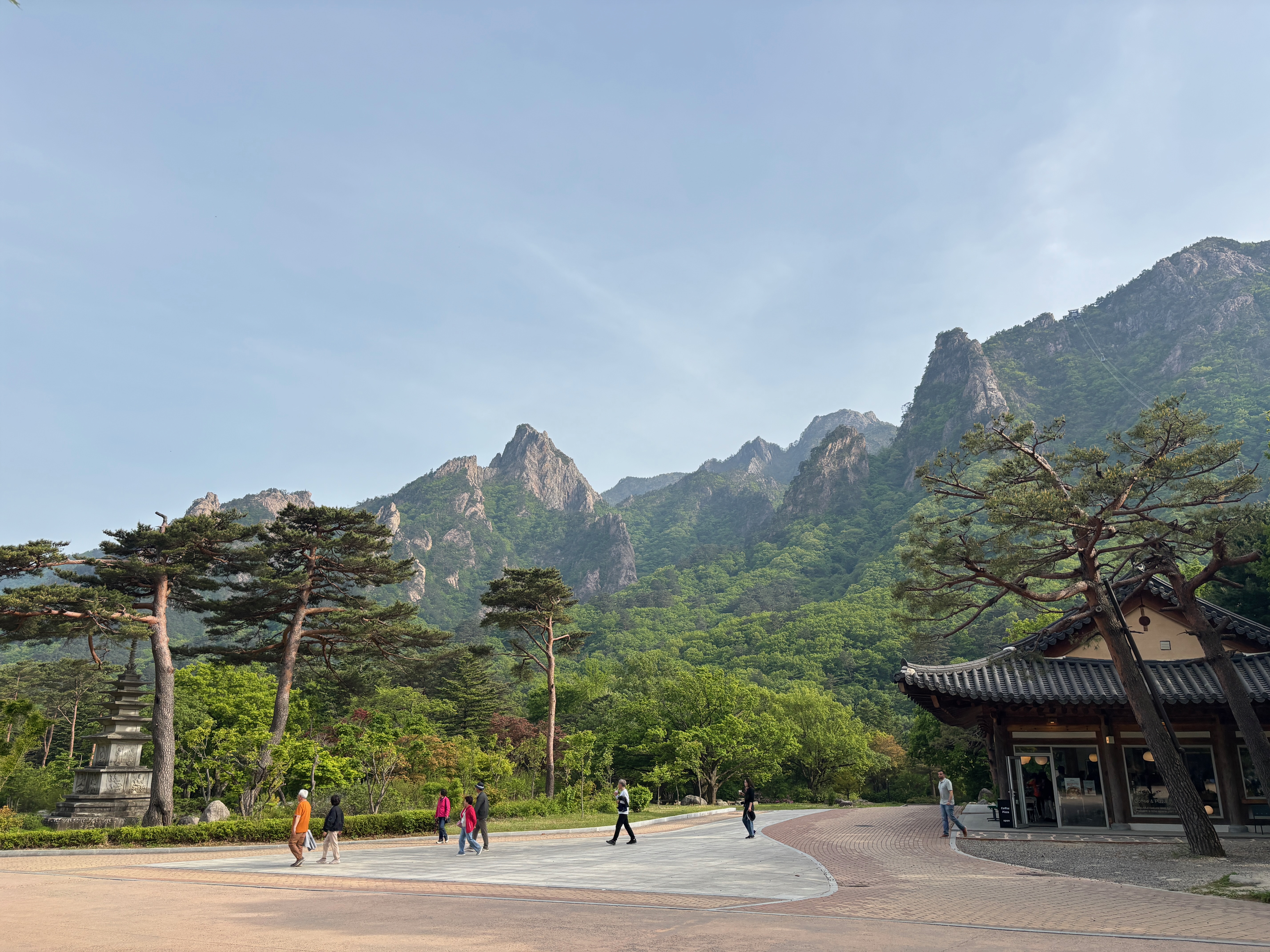
Located on the peninsula of Northeast Asia, Korea is a country with a rich cultural heritage and stunning landscapes. From vibrant cities to tranquil rural areas, Korea offers something for every traveler.
Unparalleled Natural Beauty
With its dramatic landscapes, Seoraksan is often regarded as one of the most beautiful mountains in Korea. The mountain’s highest peak, Daecheongbong, towers at 1,708 meters (5,603 feet), offering a stunning panoramic view of the surrounding valleys and the East Sea.
In autumn, the mountain becomes a vibrant display of fall foliage, attracting hikers from around the world. During spring, lush greenery and blooming flowers blanket the slopes, making it a peaceful retreat for those seeking tranquility.
Hiking Trails
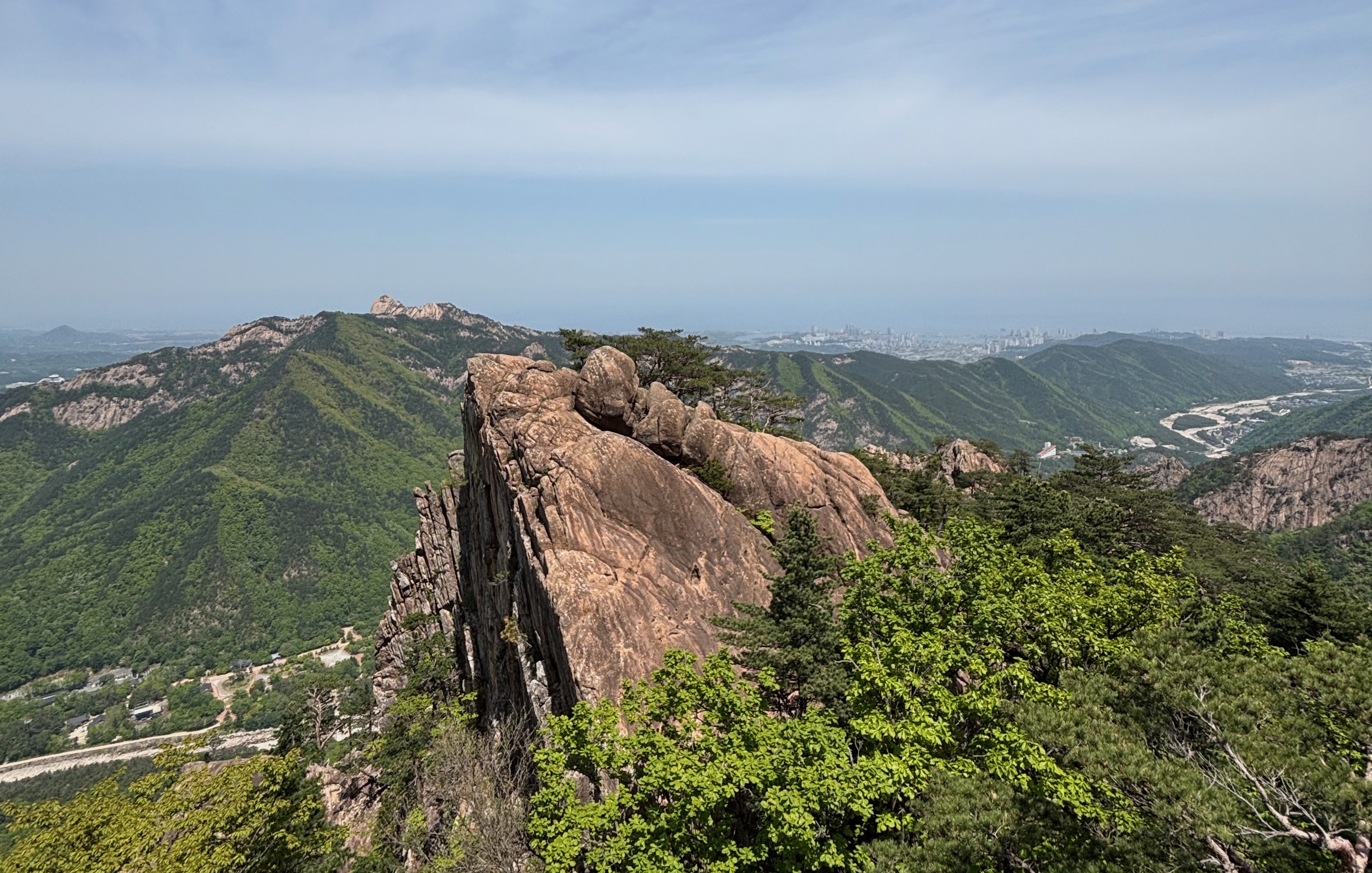
Whether you're a novice hiker or an experienced mountaineer, Seoraksan offers a range of hiking trails suitable for all levels. Popular trails include the easy walk to the Shinheungsa Temple, and the more challenging route up to the summit of Daecheongbong.
The Ulsanbawi Rock trail, one of the most iconic in Seoraksan, is known for its unique rock formation and breathtaking views at the top. The climb is steep, but the panoramic views of the surrounding landscapes are worth the effort.
Seoraksan’s Cultural Significance
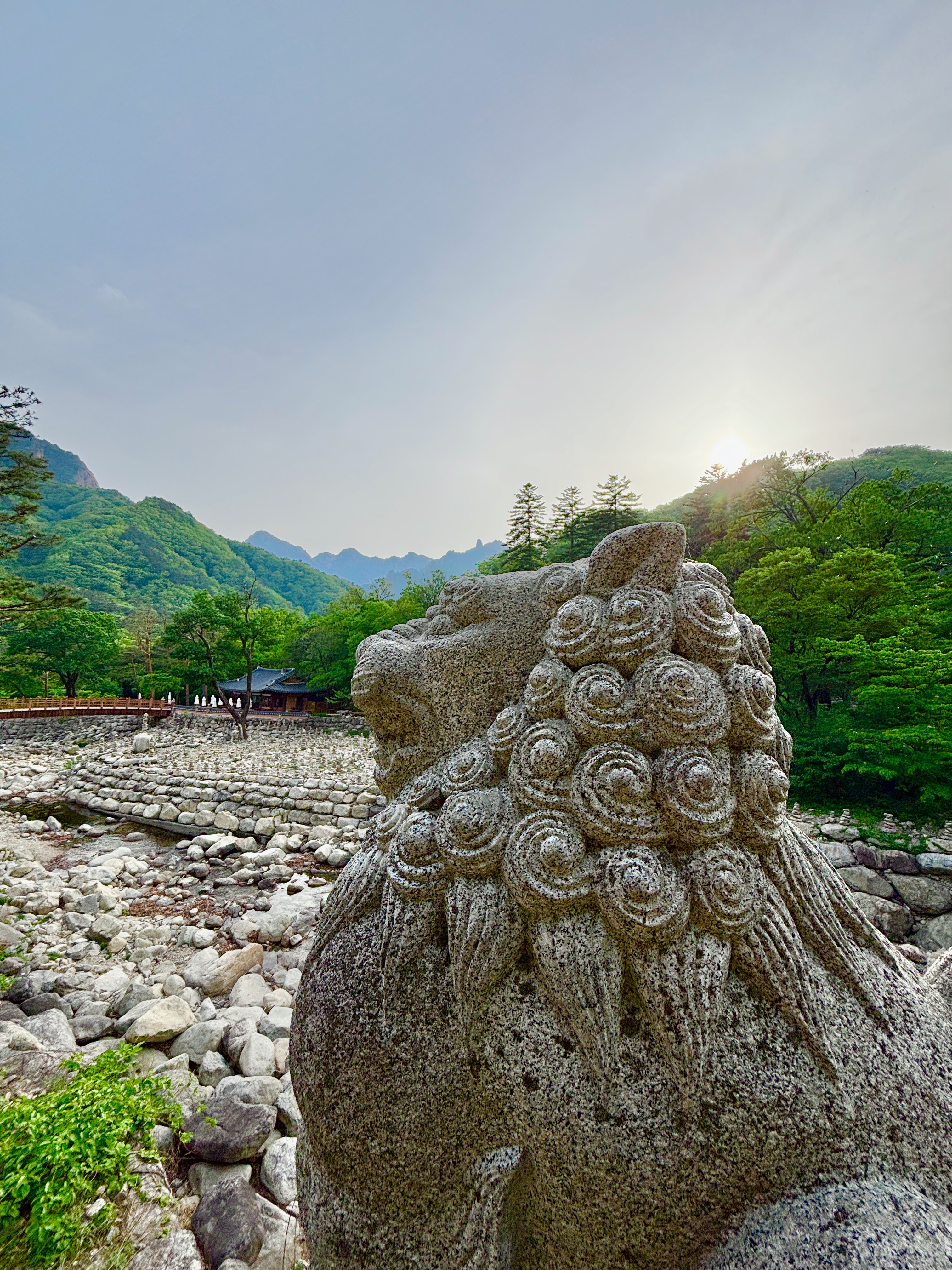
Beyond its natural beauty, Seoraksan is also a place of historical and cultural importance. At the base of the mountain lies Shinheungsa Temple, a Buddhist temple dating back to the 7th century. The temple is home to a large statue of the Buddha and offers visitors a peaceful atmosphere to reflect and meditate.
Seoraksan is also home to many ancient cultural relics and stone monuments, adding an element of history to its beauty. These spiritual sites make the area even more meaningful for those seeking both nature and culture.
Planning Your Visit
If you plan to hike Seoraksan, be sure to come prepared for varying weather conditions. Even in the summer, temperatures can drop quickly at higher elevations, so packing layered clothing is recommended.
The best time to visit is in late spring to early autumn, when the trails are accessible, and the weather is ideal for outdoor activities. Be sure to check the weather forecast before your trip to ensure a safe and enjoyable hike.
What to Know Before You Go
Here are some important tips for first-time visitors to Korea:
- Language: Korean is the official language, but English is widely understood in urban areas.
- Currency: The local currency is the South Korean Won (KRW). ATMs are widely available, and credit cards are commonly accepted.
- Etiquette: Korea has a deep sense of respect for elders and authority, so be sure to bow when greeting others, especially elders, and show politeness in your interactions.
Conclusion: Why You Should Visit Korea
Korea is a country full of contrasts: ancient traditions blend seamlessly with futuristic technology, and natural beauty coexists with bustling cities. Whether you're a history buff, food lover, nature enthusiast, or simply someone seeking an adventure, Korea is a destination that promises unforgettable experiences.
Check flights to Seoul